Why a Physician Runs a Farm
Food is one of the first places health shows up.
That is an obvious sentence, but it is easy to forget. We tend to talk about health after something has already gone wrong. Blood pressure. Diabetes. Weight. Medication lists. Lab work. Those things matter, and I spend a lot of my professional life working on them. But long before a lab value changes, there are daily decisions happening at the table.
That is part of why Swift Spring Hollow exists.
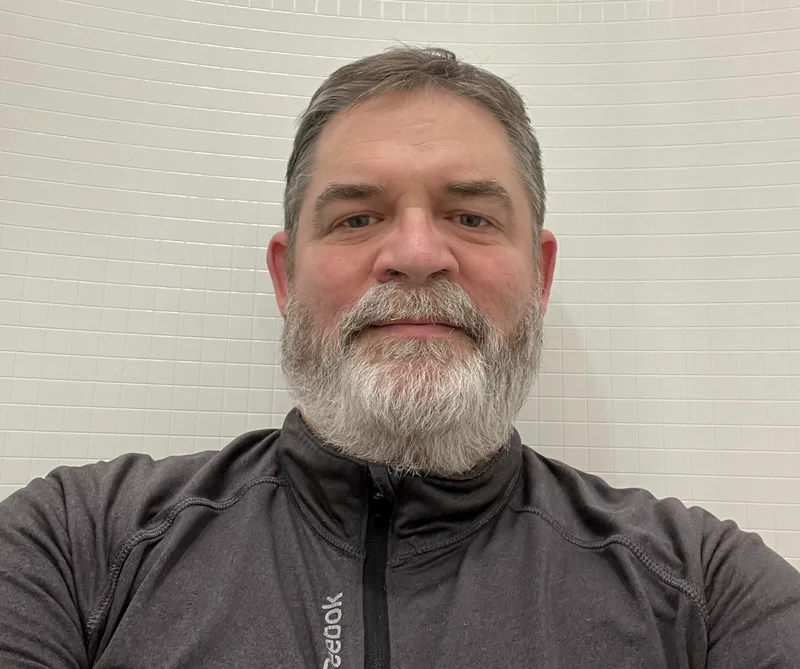
I am a family physician, and I also raise animals on a small farm in Cunningham, Tennessee. Those two parts of my life are not separate in my mind. The clinic and the farm both deal with stewardship. One is stewardship of people. The other is stewardship of animals, soil, water, and the food that eventually comes back to people.
What does physician-led farming mean?
It does not mean the farm is a medical project. It does not mean our eggs or pork are a treatment for anything. I do not want to overstate that.
It means the farm is run by someone who thinks about health for a living. That changes the questions we ask.
Are the animals living in a way that supports normal behavior? Are we using antibiotics only when they are actually needed? Are we building systems that prevent problems instead of reacting late? Are we being honest with customers about what we do and what we do not do?
Those questions are familiar to me because they are the same kind of questions I ask in medicine. Prevention is usually better than rescue. Good systems matter. What you do every day matters more than what you say you value.
Why does it matter?
Most people are disconnected from their food. They know the package, but not the process. They know the price, but not the animal. They know the label, but not the land.
I do not think that is healthy for families, farmers, or communities.
At Swift Spring Hollow, we are trying to build the opposite kind of relationship. We want customers to know where their food comes from. We want them to be able to ask how animals are raised. We want the farm to be small enough that transparency is real, not a marketing word.
That is why we focus on heritage animals, including Meishan pigs and Silver Fox rabbits. These breeds are not selected only for use in industrial efficiency. They carry genetic diversity, temperament, and history. Preserving them is slower work, but it is good work.
It is also why we care about regenerative practices. Soil health, forage, shade, water, and animal welfare are connected. If we ignore one part of the system, the rest of the system eventually tells on us.
How we try to practice it
The goal is not to make the farm sound perfect. It is not perfect. We are still building systems, still learning, and still working within real limits of time, labor, weather, and cost.
But the direction is clear.
We want animals raised with room, care, and attention. We want limited use of antibiotics and hormones, with treatment when treatment is medically necessary. We want customers to get food that has flavor, color, and a real connection to place. We want the land to be better because we farmed it, not worse.
That is the physician part of this for me. It is not about putting a medical label on farm products. It is about bringing the same seriousness to food production that I try to bring to patient care.
Health is not one decision. It is the accumulation of ordinary decisions repeated over time.
A farm works the same way.
Questions worth asking
If you buy food from a local farm, ask how the animals are raised. Ask what they eat. Ask when antibiotics are used. Ask what the farm is trying to improve year over year.
Good farms should be able to answer those questions plainly.
That is what we are trying to build at Swift Spring Hollow: a farm where the answer is honest, the practices are visible, and the food reflects the care behind it.